

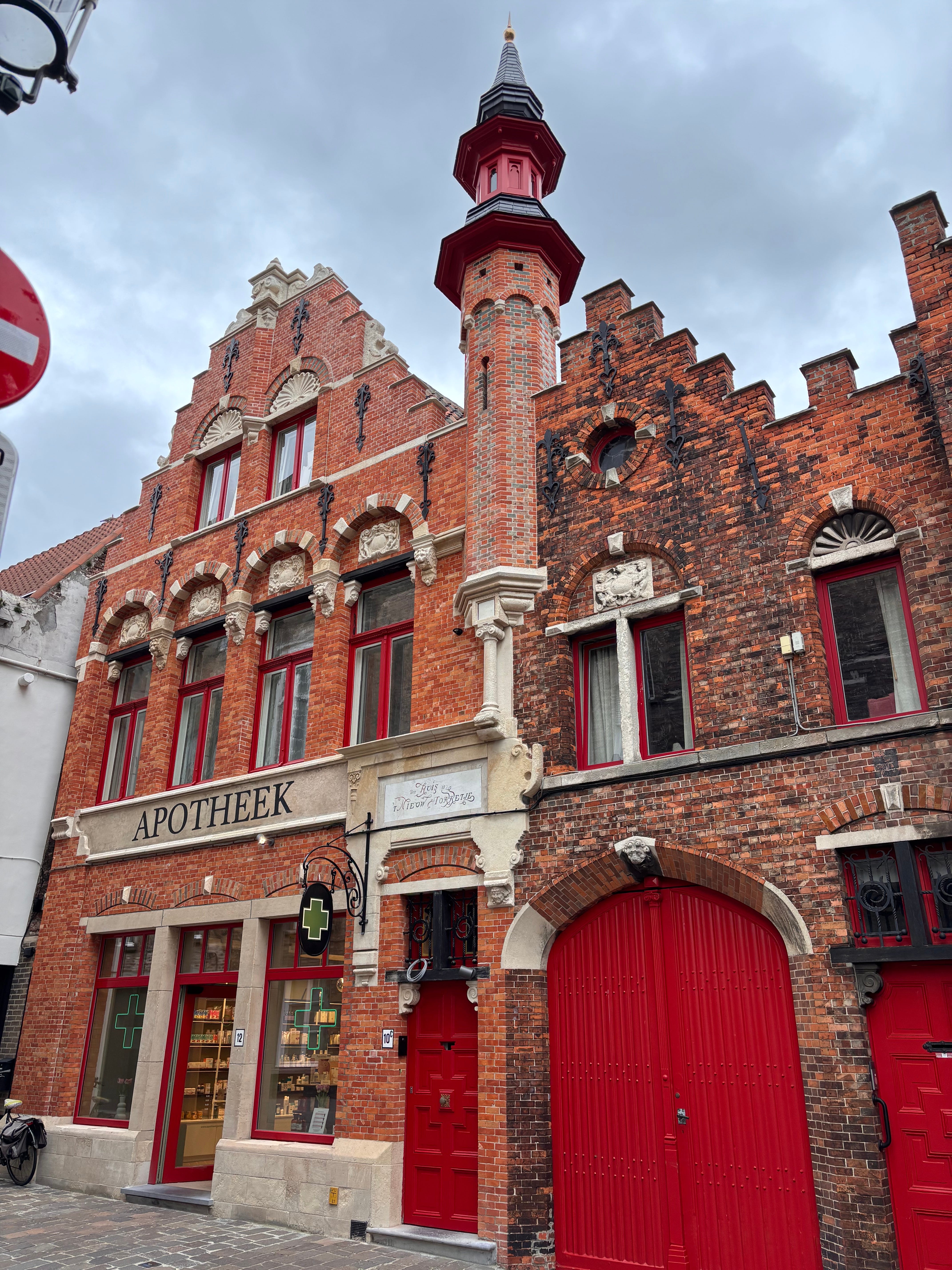
The concentrated efforts of human civilization have yielded few technologies more fit to the task of sanctifying man and his world than the brick. Its reputation maligned by the unscrupulous ends to which it was set by the ancient tyrants, the brick enjoyed a glorious redemption at the hands of the medieval craftsman. Our Lord spit on the ground and made clay to heal a man born blind, and the medievals, piously attentive to the example of scripture, looked to the same material to achieve the miracle of their cathedrals. It is no accident that the brick was the medium with which the pointed arch, the groin vault, and the flying buttress were perfected. For the brick is just the right shape and weight to be held and worked by the human hand. It can be made entirely by hand on site. Its materiality admits of a delightful variety of cuts, shapes, and moldings that enhance both the beauty and strength of the whole construction. It can be laid forwards or backwards, horizontally or vertically, parallel or perpendicular to the building, inline or rotated any number of degrees. It can be used to construct straight walls, curved walls, angled braces, rounded arches, pointed arches, practically any geometric solid, and patterns of great complexity. The humble brick may lack the refinement of stone, but it is excellently suited to the task of expressing the intent of the maker, body and soul, at the scale of a building; tens of thousands of long-cherished brick structures attest to the fact.
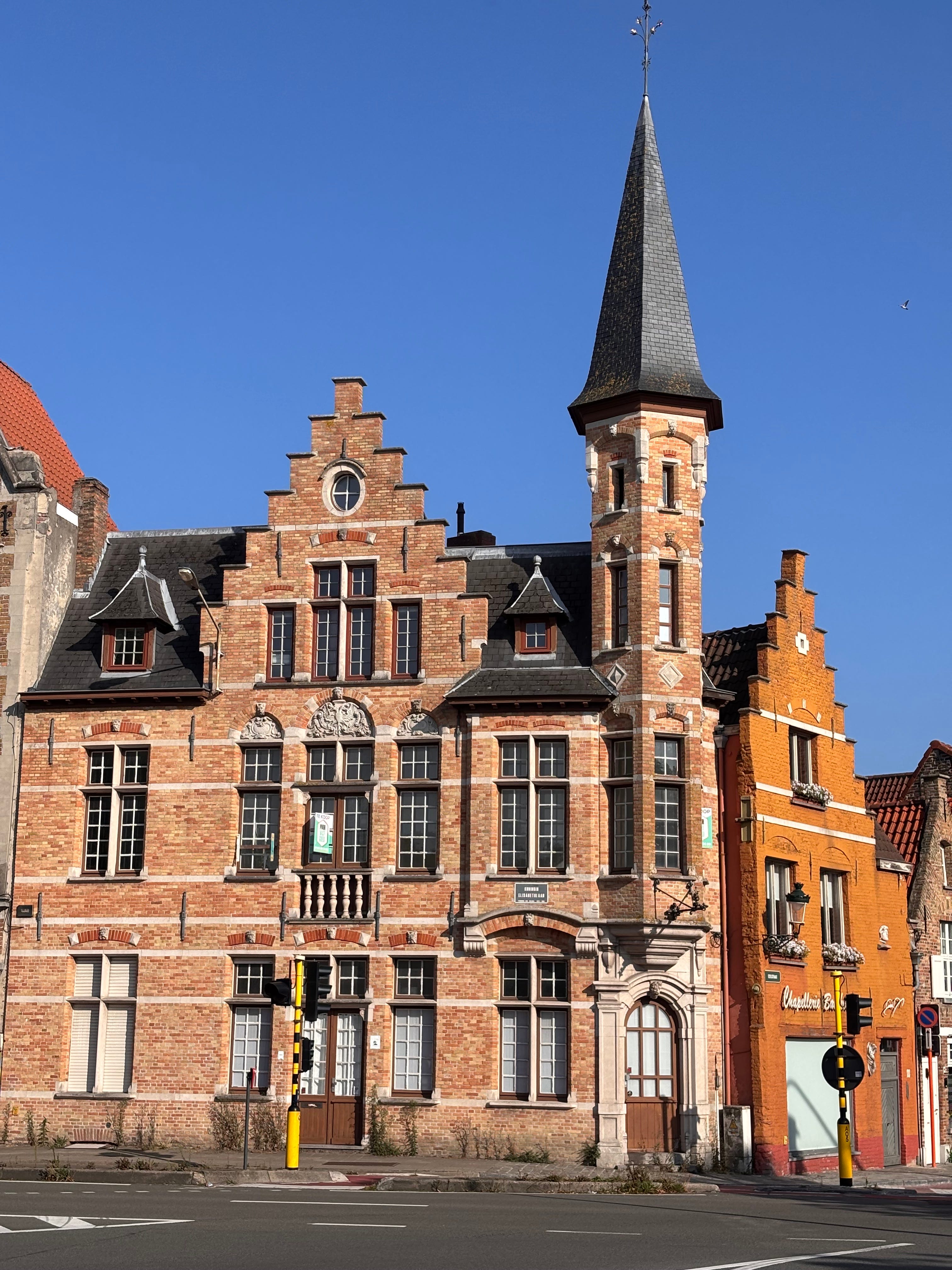
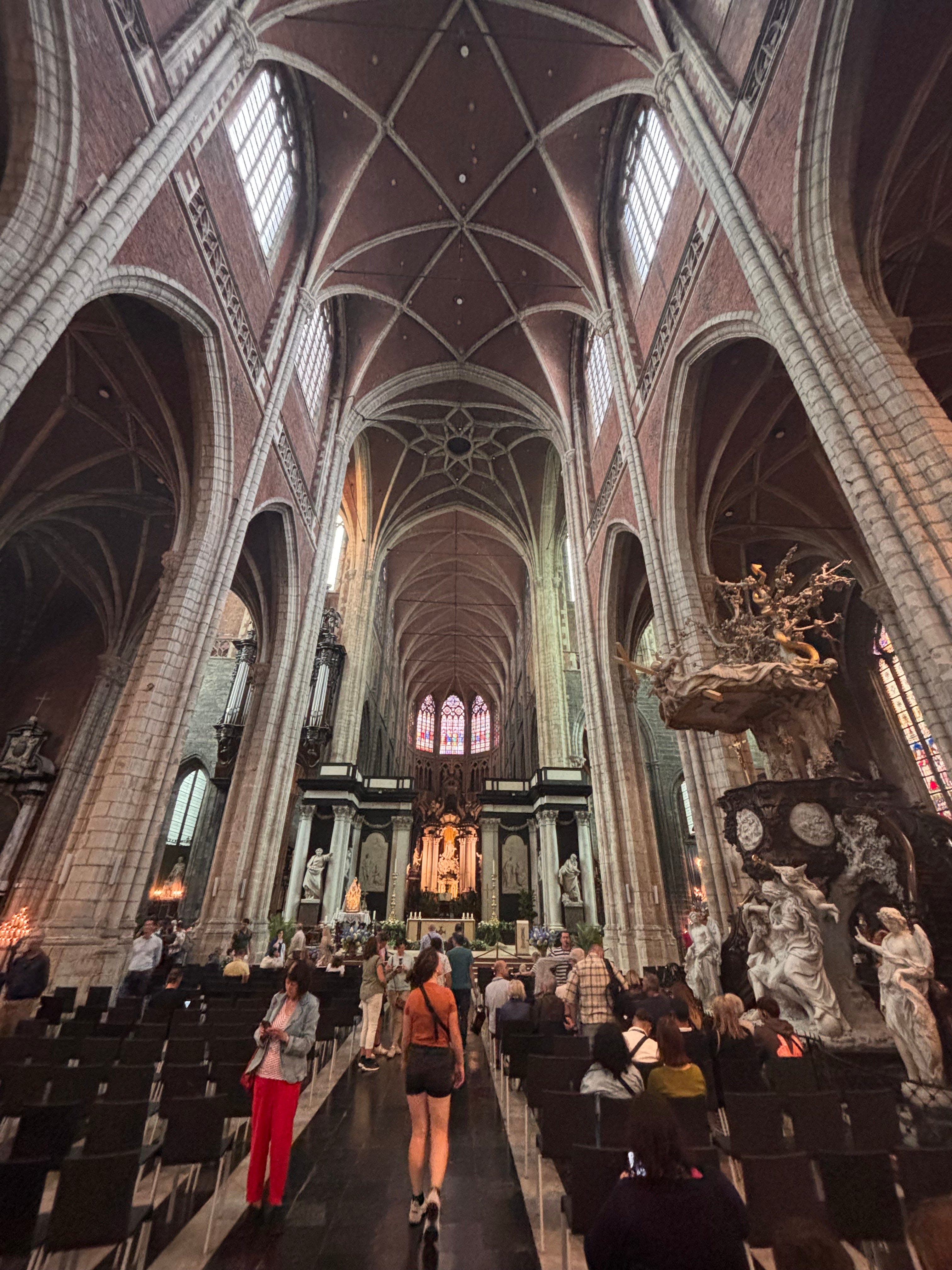
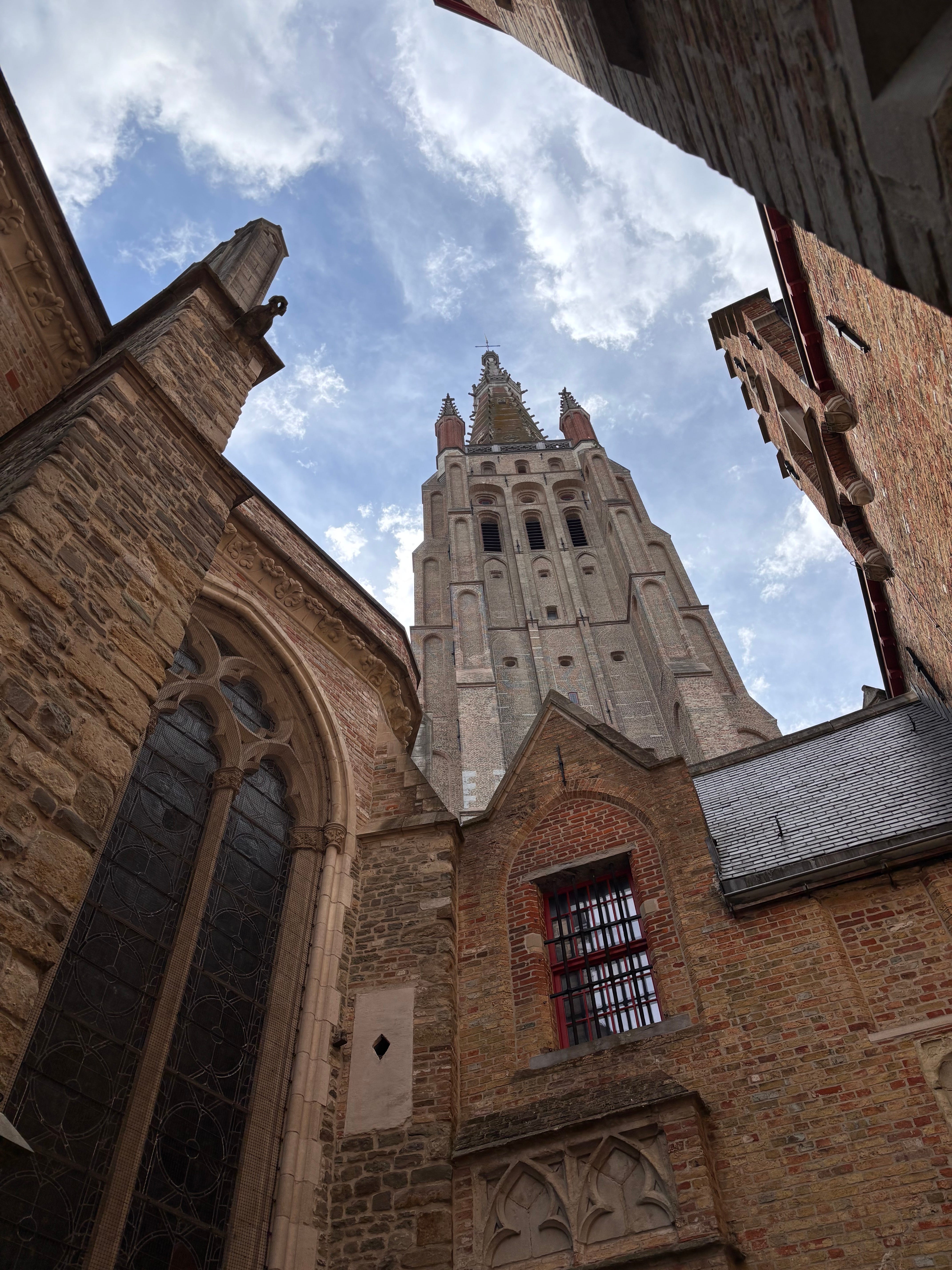
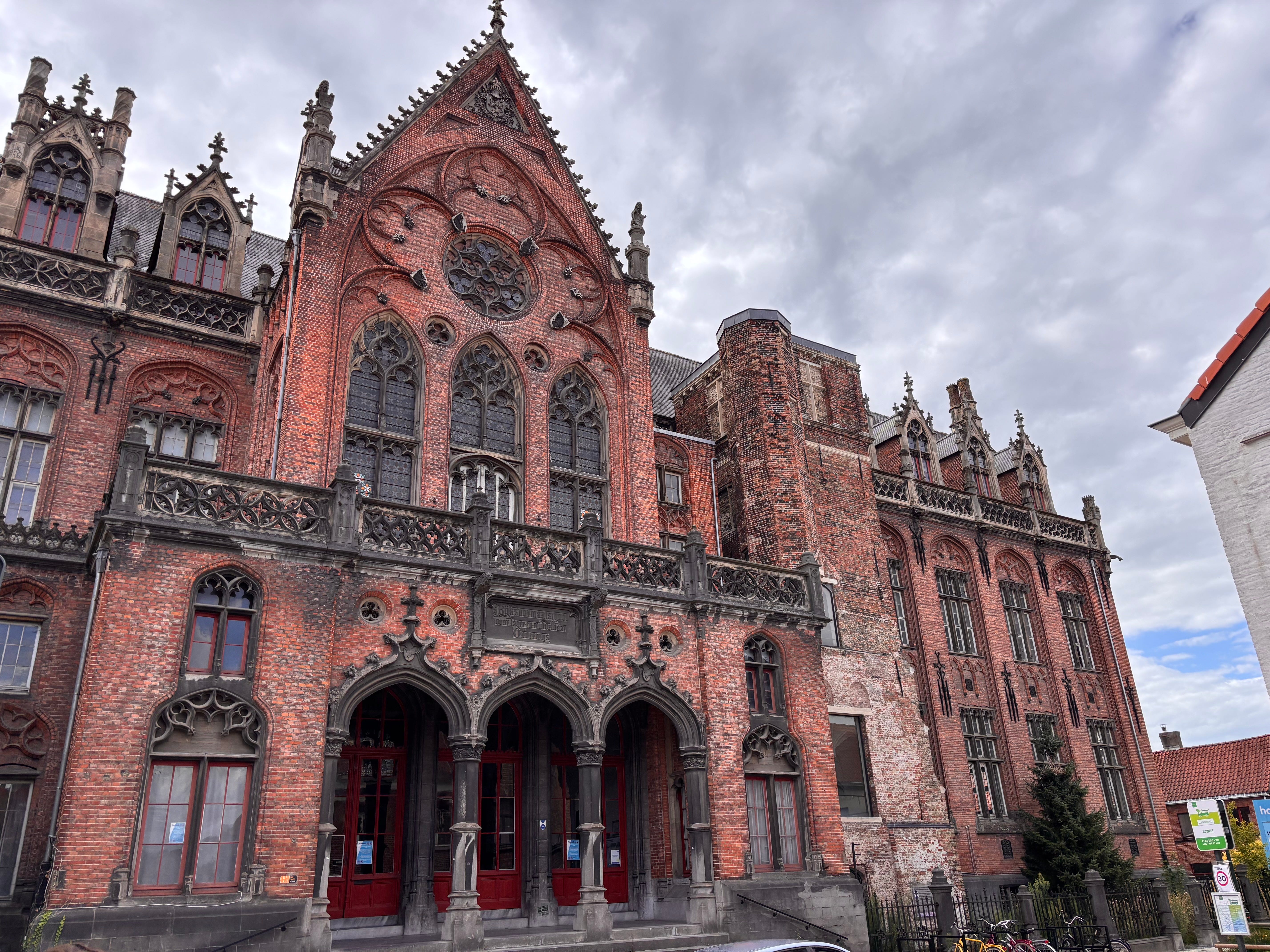

Modernity saw the brick usurped by the concrete masonry unit (CMU) in a technological shift characteristic of the post-Christian world. CMU is made of concrete instead of clay, is about 4.5x the size of a brick, and must be installed with rebar, another industrial product. Laying CMU is a fast way to develop arthritis: it is both too large and too heavy to be comfortably worked by the human body in the same manner as brick. It can only be laid in one fashion. It cannot be cut or stood on end or rotated 45 degrees or laid in an arch or on an angle. CMU is made for one thing: a horizontally laid, staggered joint wall. Whatever its merits, CMU is decidedly inferior to the brick as an expression of the human person. The shift away from brick towards CMU reflects a philosophical shift away from the human being, and the multitude of diverse, creative ways he might employ himself, towards the monotony of faceless efficiency. The brick is a tool of the artisan, a product of the same material with which the God-man worked miracles, made to express the creative impulse. CMU is a tool of the wage laborer, a product of the industrial factory system, made to serve the needs of a spreadsheet.
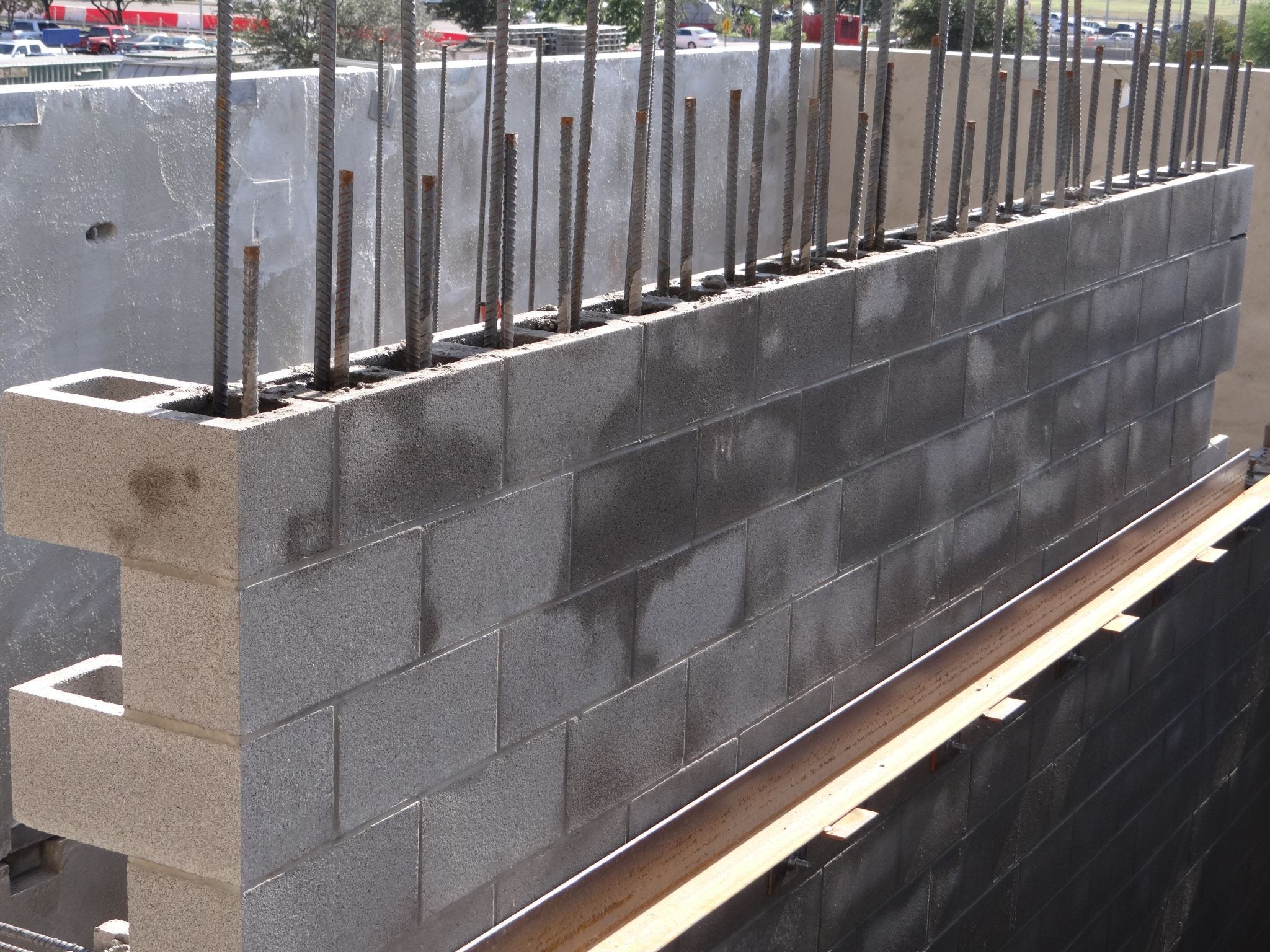
The brick was a liberating technology, suited to the expression of man’s mental and physical labors. With it, beautiful things were built, and the brick mason made something of himself in the process. His body took on the fit form of a bricklayer, his mind honed by the practice of realizing complex 3D material relationships in space. The CMU mason is lucky to finish a career with his body unharmed. His task is monotonous and admits of no deviation, to say nothing of spontaneity. He is constrained to the brutally practical: all considerations of form having been thoroughly excised from his work of function. The effects of this are felt both at the level of the person and the level of the built environment. To labor in conditions bereft of the ameliorating qualities of beauty and creativity is to toil, to work without redemption. It is to lose one’s relationship of “fit” to the world. The common expression for this experience is surprisingly literal: it is considered to be soul-crushing. The effects on the creative world are no less pronounced. God made the earth and called it good, the bricklayer took what he was given and built the cathedrals, offering them as the highest degree of perfection he was capable of. Modern CMU builders, less familiar with a certain parable, take what they are given and bury it back in the ground as a foundation wall.
AI is a product of the same technological shift which substituted CMU for brick. It stems from a misunderstanding of what the human person is, what creation is, and what the right relationship between them ought to be. The human person was made in a relationship of fit to the created world: he and the world were made with the other in mind, and the perfection of each is bound up with the other. Born as unfinished creatures; the point of human life is to become more perfect, what various traditions call moral excellence, virtue, holiness. The means by which we do so are also, by design, the means by which all aspects of the created world are perfected. There is no acquisition of human ability which, rightly ordered, does not also contribute to the sanctification of the world. The musician, the poet, the craftsman, the athlete, the farmer, all these and many others contribute to the perfection of the world by the increased excellence of their craft relative to its own standards. AI, conversely, seeks to usurp the active participation of man in his own life and in the world by demoting him merely to the role merely of digital prompter. Generative AI ultimately proposes to remove man from any work other than the prompting of AI. This irremediably damages man’s relationship to creation, and destroys his ability to become anything himself.

Nick Larkins is a Philosophy-graduate-turned-craftsman. He has worked as a pipe organ builder, welder, historic home GC, timber framer, motorcycle mechanic, and furniture maker. He presently works in Cartersville, GA, as the head of Craeftworks, a millwork and fabrication shop integrating traditional building practices with incremental development. He writes about the interconnection of the building arts, the liberal arts, and human flourishing. He publishes at With Tools in Hand.